Tell us about the job
Takes about a minute. No obligation.

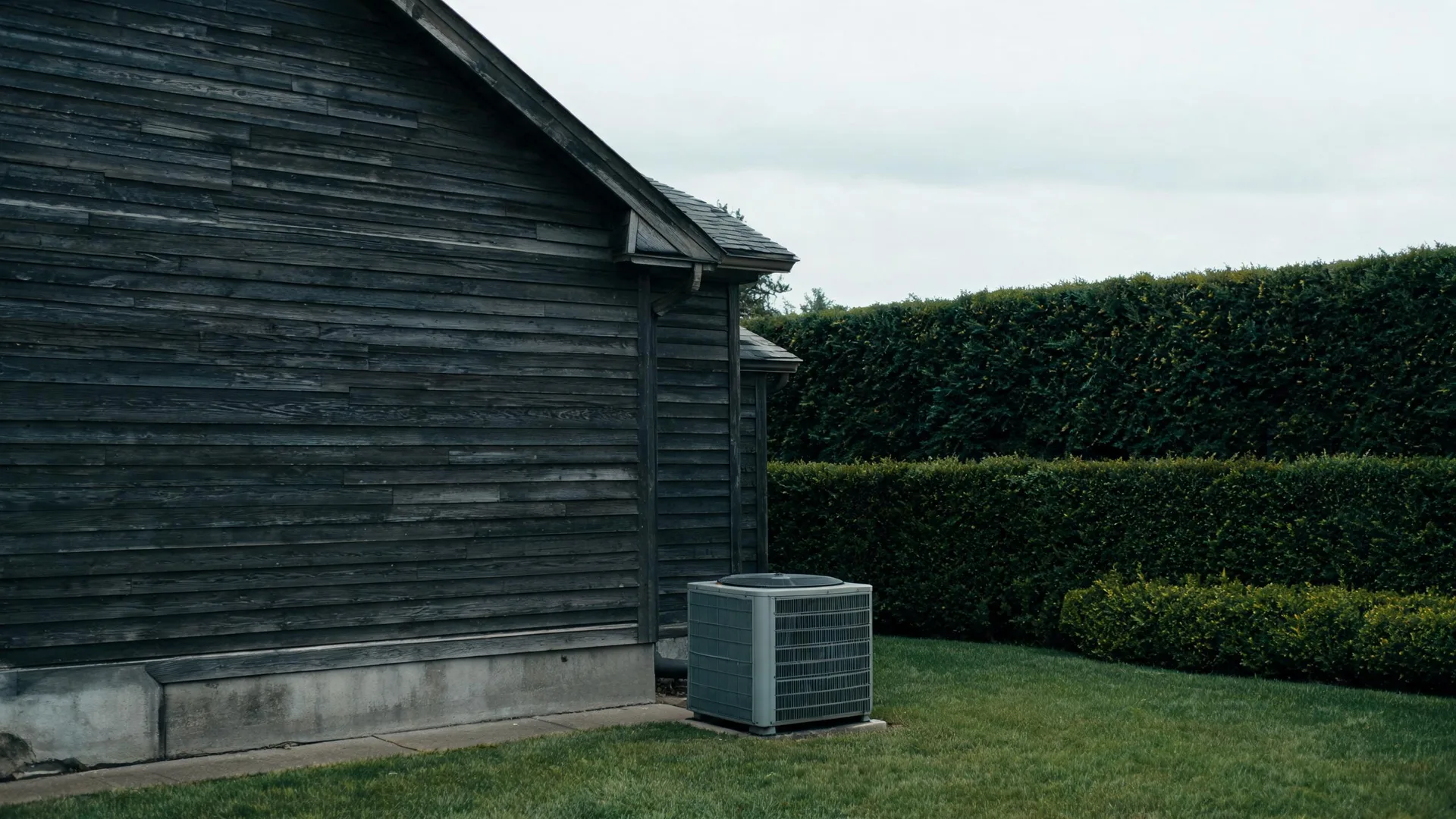
Sizing central AC for a Norfolk County home is not a step a contractor estimates loosely. Homes in Norfolk County, MA run cooling about two months a year, from July through August. The compressor in an oversized system short-cycles, running hard bursts instead of steady pulls, and in a season this compressed that pattern repeats without enough runtime to smooth it out or flag it early. A contractor doing an install here works from an actual load calculation, accounting for insulation, window area, and duct condition, before selecting equipment. A unit that fits the house runs its condenser fan and contactor at the pace the load demands, which is what keeps those parts from wearing unevenly across the summers they do run.
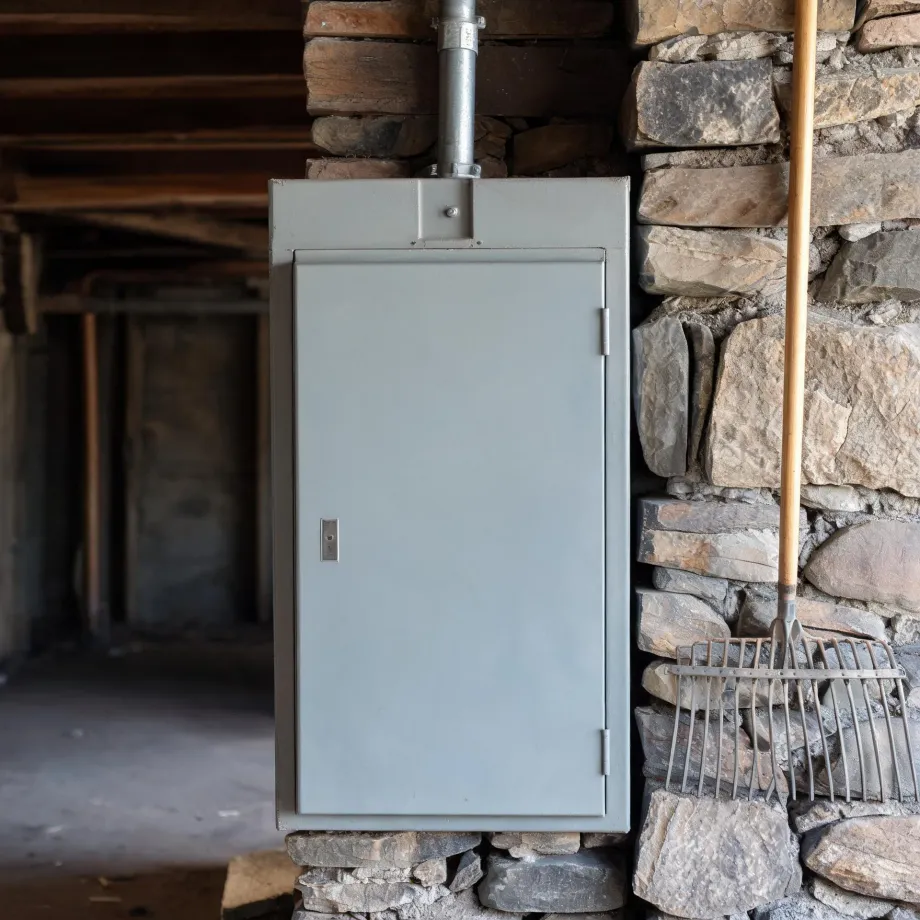
Ductwork laid out for an old forced-air heating system carries assumptions a new central AC unit does not share: trunk sizing, branch placement, return-air paths. Half the homes in Norfolk County, Massachusetts were built in 1964 or earlier (2020-2024 ACS 5-year). A contractor installing central AC in a house like this is not just placing equipment; the existing duct network gets measured and checked before any unit gets selected, because what fits the register layout may not move the air volume a modern system needs. Electrical service follows the same logic. Panels in stock this age were not built to the load a current air handler draws, and whether the service supports the new unit is a question the contractor answers before the job is quoted.
What a Central AC System Is Made Of
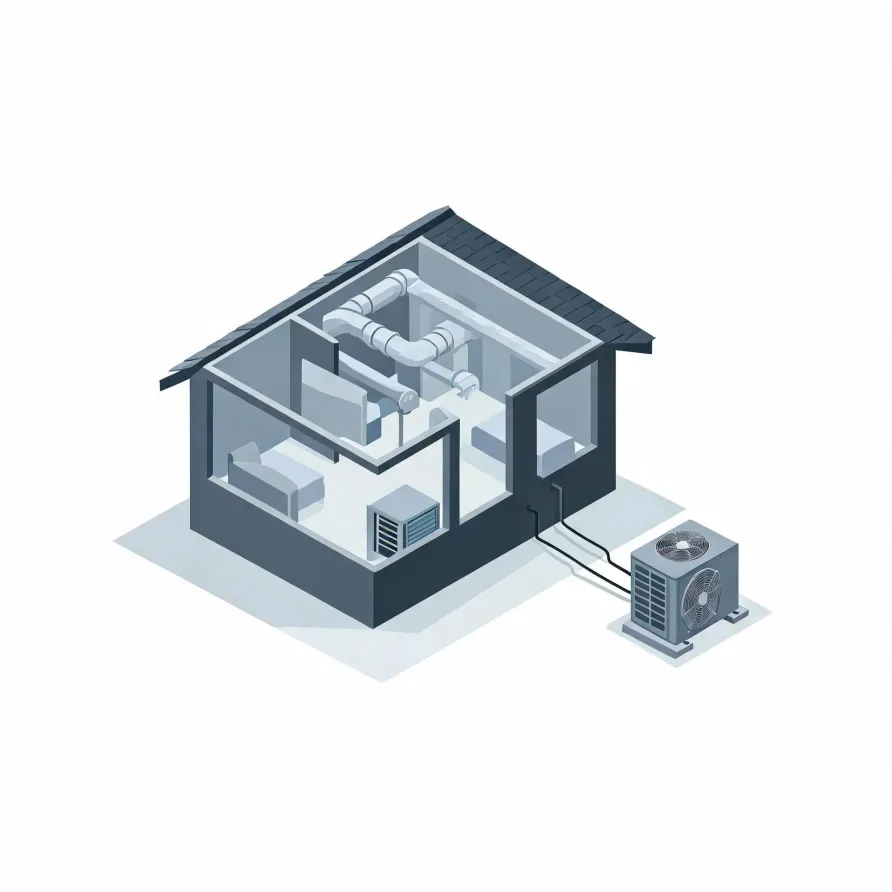
The outdoor condenser unit sits on a pad outside the house and holds the compressor and condenser coil, which do the heavy work of the system. Inside, the air handler or furnace-mounted evaporator coil picks up where the outdoor unit leaves off, drawing warm air across refrigerant-cooled coils. These are the two core pieces a homeowner is buying.
A refrigerant line set runs between the indoor and outdoor units, connecting them through a wall or chase. The thermostat on an interior wall is the control point, telling the system when to run and when to stop. Both are part of what a contractor accounts for when setting up a new installation.
The drawing beside this text shows how these pieces relate in a typical layout, and a licensed contractor determines exactly how they come together in your home.
Get matched in Norfolk CountyNorfolk County, by the numbers
595 severe weather events were recorded in Norfolk County, Massachusetts between 2015 and 2024.
NOAA National Centers for Environmental Information, Storm Events Database, bulk CSV export, events 2015-01-01 through 2024-12-31.Half the homes in Norfolk County, Massachusetts were built in 1964 or earlier (2020-2024 ACS 5-year).
U.S. Census Bureau, 2020-2024 American Community Survey 5-Year EstimatesNorfolk County, Massachusetts holds 295,227 housing units (2020-2024 ACS 5-year).
U.S. Census Bureau, 2020-2024 American Community Survey 5-Year EstimatesOwners occupy 68.7% of the occupied homes in Norfolk County, Massachusetts (2020-2024 ACS 5-year).
U.S. Census Bureau, 2020-2024 American Community Survey 5-Year EstimatesCodes & Standards Governing Central AC Installation in Norfolk County, Massachusetts9 sourced rules and standards
What happens on installation day
Split-system central air conditioners rated below 45,000 Btu/h manufactured on or after January 1, 2023 must meet a federal minimum of 13.4 SEER2.
Split-system central air conditioners rated at or above 45,000 Btu/h manufactured on or after January 1, 2023 must meet a federal minimum of 13.4 SEER2.
Split-system central air conditioners manufactured between January 1, 2015 and December 31, 2022 had to meet 13 SEER, the metric that preceded SEER2.
Single-package central air conditioners manufactured on or after January 1, 2023 must meet a federal minimum of 13.4 SEER2.
Space-constrained central air conditioners manufactured on or after January 1, 2023 must meet a federal minimum of 11.7 SEER2.
Federal efficiency standards for split-system central air conditioners and heat pumps are set on each certified combination of outdoor unit and indoor coil rather than on the outdoor unit alone.
Residential and light commercial air conditioning and heat pump systems assembled in the field, including mini-splits and unitary systems, may not be installed on or after January 1, 2025 using a refrigerant with a global warming potential above 700.
A field-assembled system whose specified components were all manufactured or imported before January 1, 2025 carries no installation compliance date under the refrigerant restrictions and may still be installed.
Licensing and Legal Requirements in Norfolk County, Massachusetts
Massachusetts requires a state licence to work as a refrigeration technician, and to work as a pipefitter or sprinkler fitter.
Severe Weather Events in Norfolk County
Weather patterns in Norfolk County put real demands on cooling equipment, from the hours it runs to the loads it carries. Sizing and installing a central AC system here means accounting for what the local climate actually does.
595 severe weather events, 2015–2024. Source: NOAA National Centers for Environmental Information, Storm Events Database.