Done looking for an air conditioner pro
The R-410A phase-out and new AC units in Massachusetts
R-22 is already gone, and R-410A is next on the list, with new rules changing what you can buy for a replacement system. If your AC is old enough to need a recharge, or old enough to need replacing outright, that timeline matters. This page covers what's changing and what it means for your unit. Once you send your request, finding a licensed Massachusetts installer who knows these systems stops being your problem.
Hand off my installationR-410A is being phased out, not because it stopped working, but because the federal government set a deadline for the refrigerant industry to switch to options with a lower impact on the atmosphere. As of January 2025, new central air conditioners can no longer be manufactured using R-410A. If your system was made before that cutoff, it still runs fine and you can still get it serviced. The change affects you most when a repair becomes a replacement, or when you're buying new. Newer systems use refrigerants like R-454B, and a Massachusetts contractor installing one now has to work with equipment and refrigerant lines built for it, not simply swap in the new gas. For a homeowner here, where summers get sticky enough that the AC runs hard for months, the real question is less about the refrigerant itself and more about whether your current system is old enough that this phase-out lands at the same time it was already due for replacement.


R-410A is not disappearing overnight. Dealers can still sell units built before the cutoff until that stock runs out, so you may still see R-410A systems for sale for a while. The new refrigerants, mainly R-454B, carry a mild flammability rating, which is why they need their own line sets, coils and service equipment. None of that hardware works with an older R-410A system, and the reverse is true too. If your condenser or coil fails and the rest of the system is still R-410A, a contractor will generally need to replace both halves together rather than swap in a part built for R-454B. This doesn't mean your current AC is in trouble. Repairing an R-410A system is still fully legal, and the refrigerant is still being produced for servicing units already in the ground. What has changed is who can work on the newer equipment. Handling R-454B calls for updated certification, since the rules around a mildly flammable refrigerant differ from what technicians have used for years with R-410A.
How the refrigerant switch works
- R-410A systems manufactured before the cutoff can still be sold through existing dealer stock until it runs out.
- New AC units now use R-454B or similar refrigerants, which carry a mild flammability rating that R-410A did not.
- A system built for R-454B needs different line sets, coils and service equipment, so parts are not interchangeable with older R-410A units.
- Repairing an existing R-410A system is still legal, and the refrigerant itself remains available for servicing units already installed.
- Technicians working on the new refrigerants need updated certification, since the handling rules differ from the old standard.
- An outdoor condenser and indoor coil are matched to one refrigerant type, so replacing just one half of the system usually is not an option.


Is your AC still the old refrigerant type?
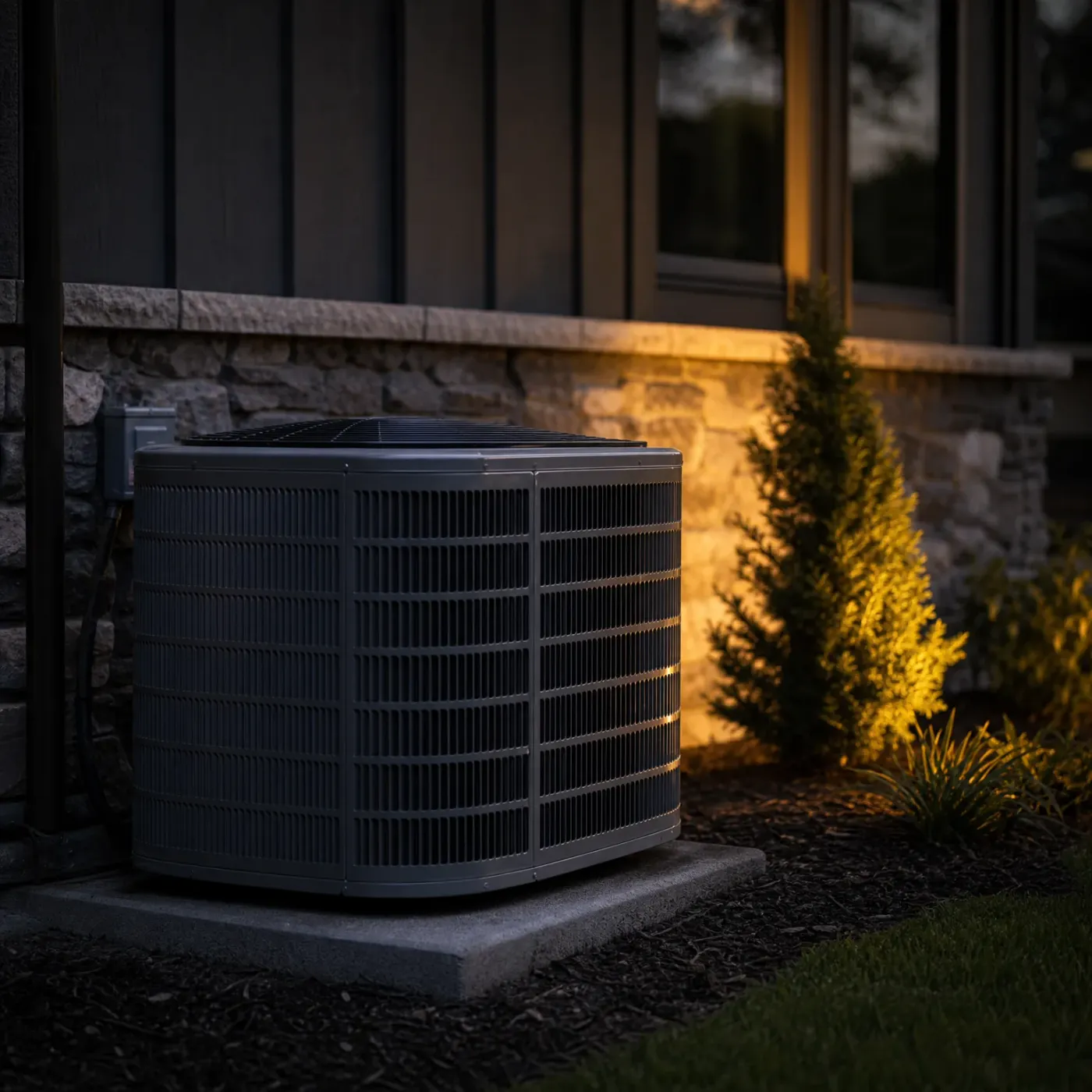
Look at the nameplate on the outdoor unit. If it lists R-410A, that's what's running through it right now, and nothing about the phase-out changes how it works today. The system you'd notice trouble with is an old one: a compressor that cycles hard on a humid July afternoon, a unit that used to keep the house comfortable and now can't quite get there, or a tech who's mentioned the refrigerant is getting harder to source. None of that means shut it off. It means that when it does fail for good, the replacement won't be a like-for-like swap, and planning for that before a hot stretch leaves you without cooling is worth more than scrambling after it dies.




It's off your list after this
A Massachusetts summer doesn't give an old R-410A unit much room to coast. If yours is already struggling to keep up on the muggy days, the refrigerant question just adds a deadline to a decision you were probably already facing. New units sold now run on R-454B, and installing one right isn't the same job as swapping in another R-410A system used to be. Someone who installs these every season around here knows what the newer equipment needs and what tends to go wrong when it's put in by someone who doesn't. Sending the request puts that match in someone else's hands. One licensed local contractor gets it, not a handful competing for your call, and from there it's no longer something you have to chase down yourself while the heat sits on your system.
R-410A systems aren't being recalled or shut off. A unit charged with it today can still be serviced and recharged for as long as supply holds, which is why most homeowners don't need to act on a working system.
The deadline falls on new equipment, not on what's already installed. Once you replace an R-410A system, the new one will run on R-454B, and that's the only part of this that actually forces a decision.
Power costs 30.41 cents per kilowatt-hour statewide
At that rate, every hour your AC runs costs more here than in most of the country. A newer system sized right for your house and running on the current refrigerant will use less power to hold the same temperature, which matters more in Massachusetts than almost anywhere else.
EIA-861 2025 statewide residential average


Where You Stand Right Now
- A working R-410A system in Massachusetts does not need to be touched because of this phase-out alone.
- Once a system needs a recharge or a major repair, the refrigerant question turns into a timing question.
- New units sold now run on R-454B or similar refrigerants, and that is what any replacement install will use going forward.
- A licensed local contractor who services this equipment all summer knows which aging systems are worth repairing and which are worth replacing.
- Sending the request connects you with one contractor, not a handful of companies competing for the call.
- The nameplate on your outdoor unit still tells you everything you need to know about where you stand today.
None of this means much if your air conditioner is running fine. The phase-out is a manufacturing rule, not a service cutoff, and a working R-410A system in Massachusetts can keep cooling your home through sticky summers same as always. The question only matters the day something breaks. A recharge, a failed compressor, a repair big enough to make you wonder if it's worth it on an old unit. That's when the refrigerant it runs on stops being background information and starts being part of the decision.
If that day comes, a replacement system means R-454B or whatever refrigerant has taken R-410A's place in new equipment, and there's no way around that now. What there is a way around is guessing at the rest on your own. A contractor who's out in Massachusetts attics and backyards all summer has seen which units in your situation make it another season and which ones don't, and that's not something a nameplate tells you.
Sending a request through this page puts you in touch with one licensed local contractor, not a stack of competing bids to sort through while your house sits warm. Check the nameplate on your outdoor unit if you haven't. It still tells you exactly where you stand, phase-out or not.

Air Conditioner Installation
Stop chasing an air conditioner pro

- A local installer who puts in air conditioners gets your project.
- Get in touch with a local installer about a new air conditioner.

- Once you send the form, finding a pro is off your list.
- After you send the request, you're done searching.

- Skip the round of in-home estimates for a new air conditioner.
- Describe the project once instead of to every installer.

- Your request goes to one pro, not a list of companies.
- The pro who reaches out is licensed in Massachusetts.